The Science of Carb Restriction, Ketosis, and Side Effects: What You Need to Know
Hey everyone! Today, let’s chat about the science behind carb restriction, ketosis, and those pesky side effects we’ve all heard about. Two recent studies have shed some light on these topics, and I’m excited to break it down in plain English.
How Low Should You Go?
So, you’ve heard of the keto flu, right? That phase where you feel like garbage when you first cut carbs? Well, a new study out of New Zealand, published in Nutrition: X, is giving us some real insights into how much we need to restrict carbs to get into ketosis and how that affects those annoying symptoms.
First off, many of us in the low-carb community might think, “Don’t we already know this? Isn’t it common knowledge?” But when you dig into the scientific literature, there’s surprisingly little research on the topic. In fact, in our evidence-based guide on the keto flu and other side effects, we found very few studies to back things up. Instead, we relied heavily on our panel of low-carb experts to confirm many of our statements. This new study aims to fill that gap.
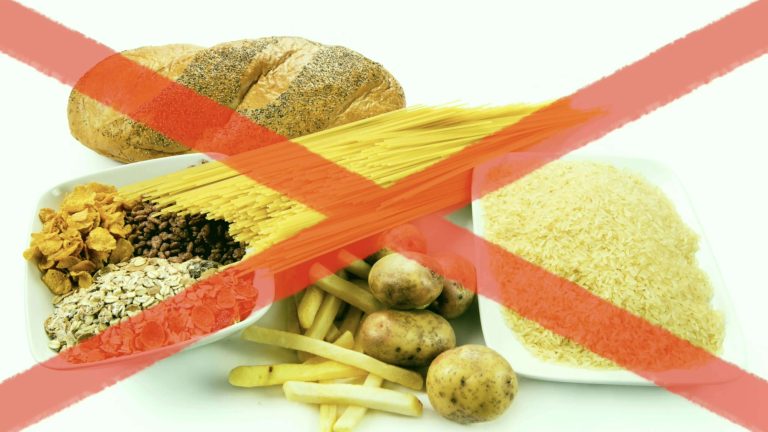
The researchers randomized 77 healthy volunteers into three groups: a very-low-carb diet (5% of total calories, about 25 grams on a 2,000-calorie diet), a low-carb diet (15%, or 75 grams), and a moderate-low-carb diet (25%, or 125 grams). Guess what? All three groups reached nutritional ketosis, defined as having blood levels of beta-hydroxybutyrate (BHB) above 0.5 mmol/L. The very-low-carb group got there in about four days, while the others took about five days.

What’s interesting is that even at 15% carbs (75 grams on a 2,000-calorie diet), participants remained in ketosis. That’s way more carbs than most experts recommend. But keep in mind, these were healthy volunteers, not people with type 2 diabetes, metabolic syndrome, or obesity. It’s likely that those with more insulin resistance will need stricter carb restriction, something this study didn’t test.
The Keto Flu: Real or Just a Myth?
So, what about those keto flu symptoms—headaches, constipation, bad breath, and weak muscles? All groups experienced these to some degree, with stricter carb restriction leading to more intense symptoms. Day four was the worst, but by day 17 or 18, everyone felt better. Interestingly, intestinal bloating, sugar cravings, and overall mood improved across the board. The low-carb group had some ups and downs with mood, while the very-low-carb and moderate-low-carb groups saw more consistent improvements. This is intriguing; maybe that “middle-ground” diet isn’t as effective, but we’ll need larger studies to be sure.
Brain Boost from Ketosis?
Another fascinating study from Mass General Hospital looked at how ketosis affects brain function. They used a specialized MRI to measure “brain network stability,” which is essentially a measure of overall brain health or “brain age.” The study had two parts:
First, they reviewed records showing that brain network stability decreases with age, starting at around 47 and peaking around 60.
In the second part, they scanned healthy volunteers on their normal diet, after a 12-hour fast, and after one week on a ketogenic diet (confirmed by BHB levels averaging 0.6 mmol/L). They also conducted another experiment where they scanned volunteers after a standard diet and a 12-hour fast, then after breaking the fast with a glucose bolus, and finally with an exogenous ketone ester drink.

The researchers concluded that the ketogenic diet, drinking exogenous ketones, and fasting all improved brain network stability, while a standard diet and glucose bolus destabilized the brain. In a small n=1 experiment, they also showed that the ketone ester improved stability even when combined with glucose, though this was just one patient, so it’s hard to draw firm conclusions.
What Does It All Mean?
These studies are super encouraging. They back up what our low-carb experts have been saying and hint at why ketosis might be great for the brain. We’ve got a lot more to learn, especially for folks with health issues like diabetes or obesity, but it’s exciting to see how ketosis could help with everything from Alzheimer’s to mood disorders.
Wrapping It Up
So, there you have it! Whether you’re diving into keto for the first time or tweaking your diet, these studies give us some solid insights. Remember, everyone’s body is different, so what works for one might not work for another. But hey, at least now we’ve got some real science to back up the keto flu and brain benefits. Stay curious, keep experimenting, and most importantly, listen to your body!
Thanks for reading,
Bret Scher, MD FACC