The Keto Diet: Health Benefits, Risks, and Community Support on Reddit
The ketogenic diet has recently gained significant popularity, with numerous individuals seeking support and advice through online communities. Reddit, a prominent social media platform, has emerged as a central hub for keto enthusiasts to exchange experiences, recipes, and success stories. The r/keto subreddit boasts a large community of people following a high-fat, low-carb lifestyle, offering a wealth of information and resources for both those interested in and already practicing the ketogenic diet.
On Reddit, users can engage in discussions covering various aspects of the keto diet, including meal planning, tracking macronutrients, and achieving ketosis. The platform enables individuals to connect with others who share similar goals and challenges, fostering a sense of camaraderie and motivation. Many users share before-and-after photos, illustrating the potential weight loss and health benefits associated with the ketogenic approach to eating.
The Reddit keto community also serves as a valuable resource for practical advice on navigating social situations, managing cravings, and identifying keto-friendly alternatives to traditional high-carb foods. Users frequently share recipes, product recommendations, and tips for staying on track with the diet, making it easier for newcomers to adapt to the ketogenic lifestyle.
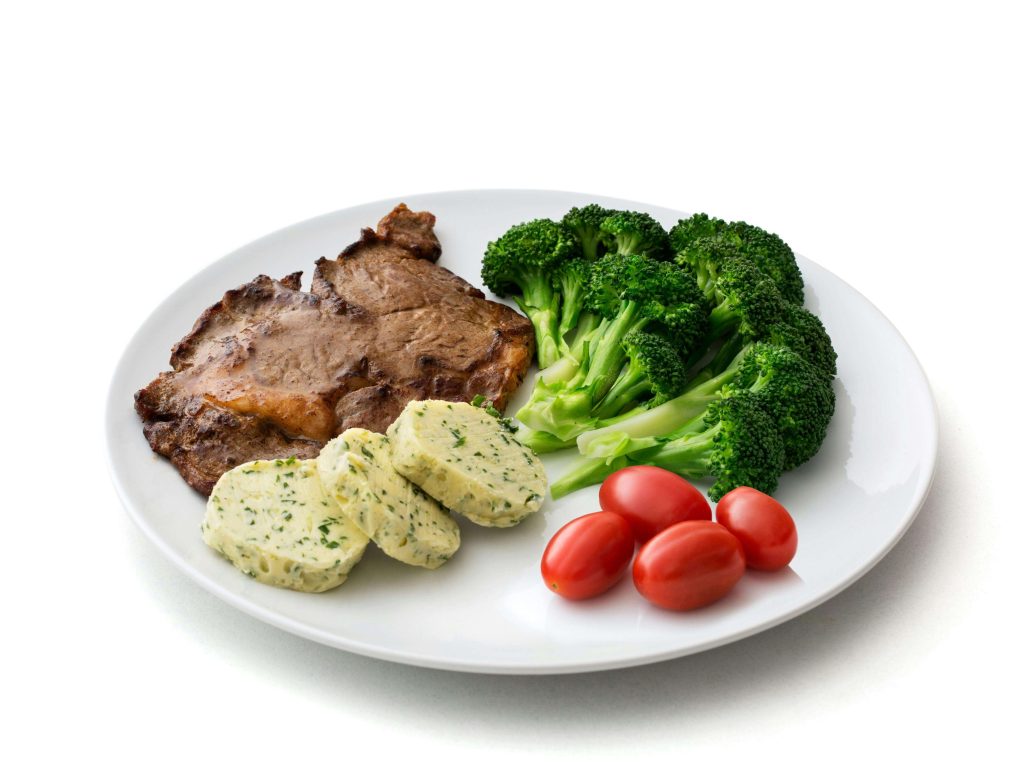
Understanding the Ketogenic Diet The ketogenic diet is a low-carb, high-fat eating plan designed to shift the body into a metabolic state known as ketosis. This approach has gained attention for its various potential health benefits.
The Basics of the Ketogenic Diet A ketogenic diet typically consists of 70-80% fat, 15-20% protein, and 5-10% carbohydrates. This macronutrient ratio is significantly different from the standard Western diet.
The primary goal is to substantially reduce carbohydrate intake, usually to less than 50 grams per day. This restriction forces the body to use fat as its primary energy source instead of glucose.
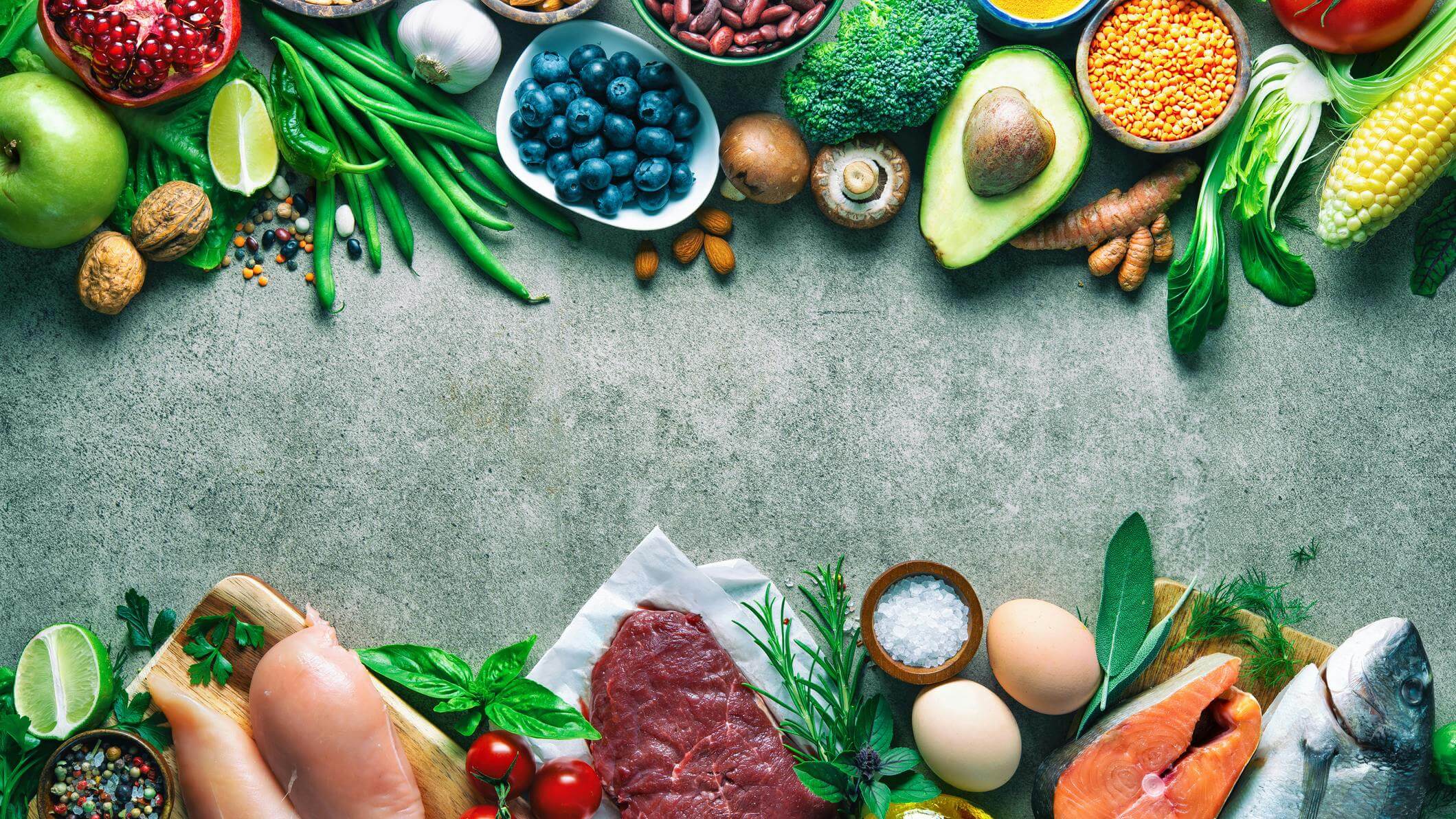
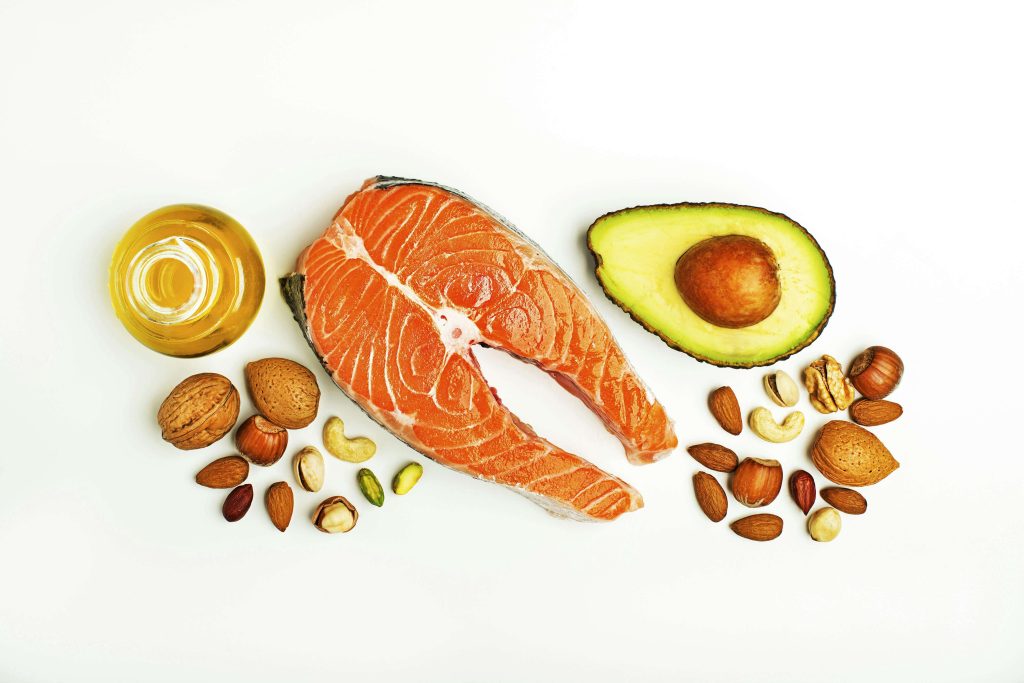
Foods commonly consumed on a keto diet include:
- Meats and fatty fish
- High-fat dairy products
- Nuts and seeds
- Low-carb vegetables
- Healthy oils (e.g., olive oil, coconut oil)
Foods to avoid include:
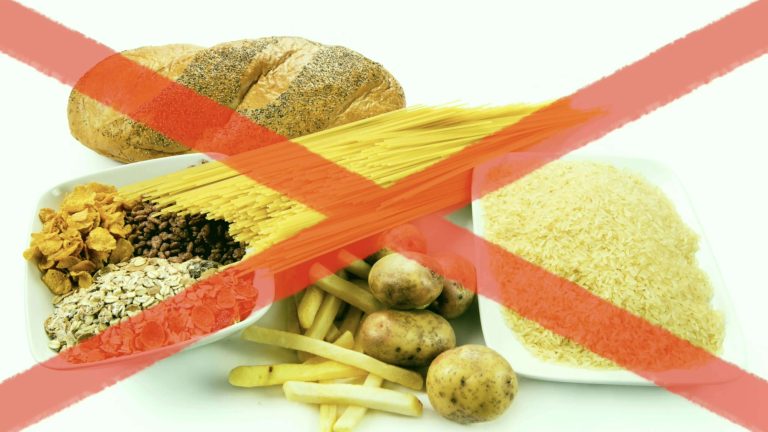
- Grains and starches
- Most fruits
- Sugar and sweetened foods
- High-carb vegetables
Achieving Ketosis Ketosis occurs when the body begins producing ketones from fat breakdown. This metabolic state typically takes 2-4 days to achieve after starting a ketogenic diet.
Signs of entering ketosis may include:
- Increased thirst
- Temporary fatigue
- Decreased hunger
- Breath odor (often described as fruity or metallic)
Many people use urine strips or blood ketone meters to measure their ketone levels. A blood ketone level of 0.5-3.0 mmol/L indicates nutritional ketosis.
It is crucial to stay hydrated and maintain electrolyte balance during this transition period. Some individuals may experience temporary side effects known as the “keto flu.”
Health Benefits and Risks The ketogenic diet has been associated with several potential health benefits:
- Weight loss
- Improved blood sugar control
- Reduced inflammation
- Enhanced cognitive function
- Increased energy levels
Some studies suggest it may help manage certain medical conditions, such as epilepsy and type 2 diabetes.
However, the diet also comes with potential risks:
- Nutrient deficiencies
- Liver problems
- Kidney stones
- Constipation
- Increased risk of heart disease (due to high saturated fat intake)
The long-term effects of the ketogenic diet are still under study. It is essential to consult a healthcare provider before starting any new diet, particularly for individuals with pre-existing health conditions.
Ketogenic Diet Planning Effective ketogenic diet planning involves carefully tracking macronutrients, preparing meals in advance, controlling portions, and monitoring progress. These key elements help individuals achieve and maintain ketosis while meeting their nutritional needs.
Macronutrients and Ketosis A ketogenic diet typically consists of 70-80% fat, 15-25% protein, and 5-10% carbohydrates. This macronutrient ratio aims to induce ketosis, a metabolic state where the body burns fat for fuel. To achieve ketosis, most people need to limit their net carb intake to 20-50 grams per day.

Tracking macronutrients is essential for success on a keto diet. Many Reddit users recommend apps like MyFitnessPal or Carb Manager to log food intake and ensure proper macronutrient balance. It is important to focus on healthy fat sources such as avocados, nuts, and olive oil while moderating protein intake to prevent gluconeogenesis.
Meal Planning and Recipes Meal planning is crucial for sticking to a keto diet. The r/keto community on Reddit offers numerous resources for meal ideas and recipes. Many users suggest preparing meals in bulk to save time and reduce temptation.
Popular keto meals include:
- Egg-based dishes (such as omelets, frittatas)
- Combinations of meat and low-carb vegetables
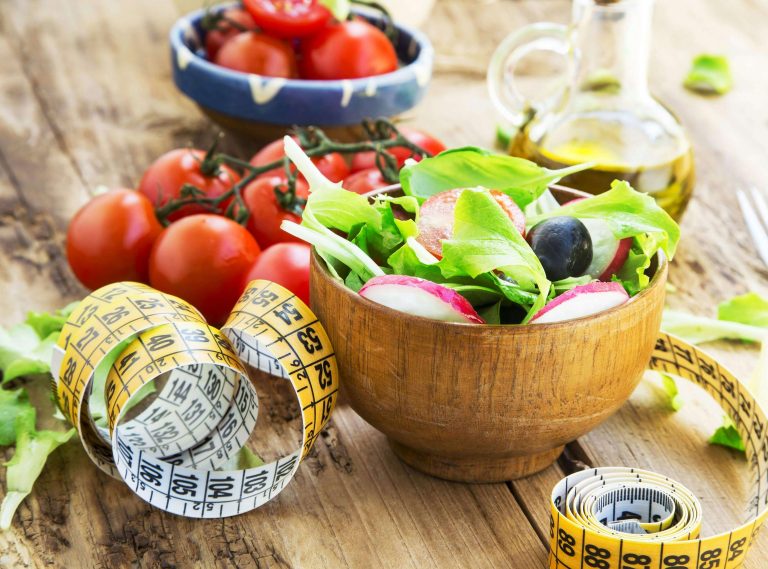
- Salads with high-fat dressings
- Fat bombs for quick energy boosts
Keto-friendly snacks like cheese, nuts, and pork rinds can help curb cravings between meals. Some Reddit users share weekly meal plans to inspire others and demonstrate how to maintain variety while staying in ketosis.
Portion Control While the keto diet focuses on macronutrient ratios rather than calorie counting, portion control remains important for weight management. Many keto dieters find that the high-fat content of their meals naturally leads to increased satiety and reduced appetite.
Tips for portion control on a keto diet include:
- Using smaller plates
- Measuring servings of calorie-dense foods like nuts and cheese
- Filling half the plate with low-carb vegetables
- Eating slowly and mindfully
Some Reddit users recommend combining intermittent fasting with a keto diet to further control portions and enhance fat burning.
Monitoring Progress Tracking progress is motivating and helps keto dieters stay on course. Many members of the r/keto community share their experiences through progress posts, detailing weight loss, non-scale victories, and health improvements.
Common methods for monitoring progress include:
- Regular weigh-ins (weekly or bi-weekly)
- Taking body measurements
- Progress photos
- Tracking energy levels and mood
Blood or urine ketone testing can confirm ketosis, although many find it unnecessary once they become familiar with their body’s responses. Some Reddit users advise against daily weigh-ins, as weight can fluctuate due to water retention and other factors.