Low Carb Grains: Best Options for a Keto Diet
Grains have long been a nutritional hot topic. While grain-based products are often highly processed and carb-heavy, they’re also affordable, filling sources of fiber and nutrients. The big question: Can they fit into a keto or low-carb lifestyle? Here’s your guide to navigating grains on a carb-conscious diet.
What Are Grains?
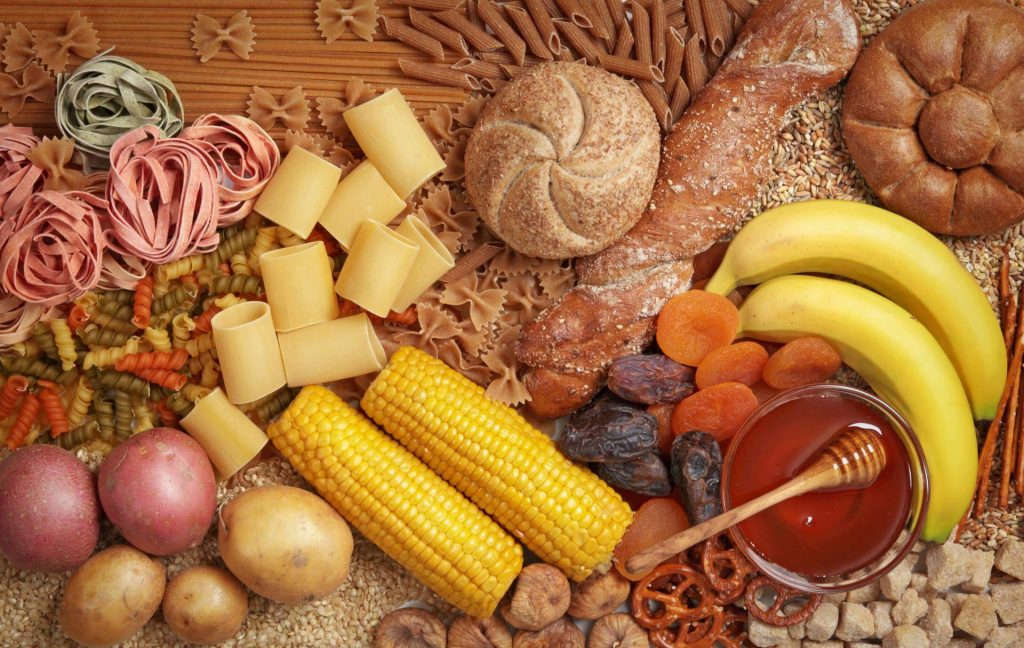
Grains are small, edible seeds harvested from grasses and other plants. They’re shelf-stable and serve as dietary staples worldwide. Most grains belong to the grass family (e.g., wheat, oats, rice, corn), while “pseudograins” like amaranth, buckwheat, and quinoa come from non-grass plants but share similar traits.
- Whole grains retain all three parts of the seed: the fiber-rich bran, nutrient-dense germ, and starchy endosperm.
- Refined grains (e.g., white flour, white rice) strip away the bran and germ, leaving only the endosperm. This removes most nutrients, so refined grains are often fortified (vitamins added back).

Potential Benefits of Grains
- Fiber Power: Many whole grains are rich in fiber, supporting digestion, satiety, and gut health. Fiber feeds beneficial gut bacteria, which produce short-chain fatty acids linked to immune and metabolic health.
- Nutrient Boost: Grains provide plant-based iron, B vitamins, selenium, and antioxidants.
- Quick Energy: Carbs in grains offer fast fuel—ideal for athletes but tricky for keto dieters.
Drawbacks of Grains
- High in Carbs: Most grains pack 30+ grams of net carbs per ½-cup serving, making them off-limits for strict keto.
- Gluten Concerns: Wheat, barley, and rye contain gluten, which triggers issues for those with celiac disease or sensitivities.
- Anti-Nutrients: Compounds like lectins, phytates, and oxalates may hinder nutrient absorption. Sprouted grains reduce these compounds.
- Ultra-Processed Foods: Grains dominate junk foods (chips, cookies, frozen meals), which are linked to obesity and chronic disease.
Can Grains Fit into Keto or Low-Carb Diets?
Strict keto? Avoid grains—they’ll blow your daily carb limit.
Low-carb flexibility? Small portions of select grains might work.
Best Low-Carb Grains
| Grain | Serving Size | Net Carbs | Tips |
|---|---|---|---|
| Popcorn | 2 cups popped | 10g | Skip sugary toppings; season with herbs or cheese. |
| Corn | ½ cup | 14g | Treat as a starchy veg; use in moderation. |
| Bulgur | ¼ cup dry (→1 cup cooked) | 22g | Nutty, chewy swap for rice in salads. |
| Oats | ½ cup dry (→1 cup cooked) | 23g | Opt for steel-cut or rolled oats; avoid instant. |
| Quinoa | ¼ cup dry (→1 cup cooked) | 24g | Gluten-free, protein-rich pseudograin. |
| Buckwheat | ¼ cup dry (→1 cup cooked) | 27g | Gluten-free; ideal for porridge or savory dishes. |
Note: Gluten-containing grains (spelt, barley, farro) are higher in carbs and unsuitable for gluten-sensitive individuals.
Who Should Avoid Grains?
- Celiac/gluten-sensitive: Skip wheat, barley, rye, and cross-contaminated oats.
- Strict keto dieters: Most grains exceed carb limits.
- Anti-nutrient concerns: Opt for sprouted grains or grain-free alternatives (e.g., cauliflower rice, almond flour).
How to Include Grains Wisely
- Try Cyclical Keto: Schedule grains on high-carb days (for active individuals).
- Choose Whole, Unprocessed Grains: Prioritize fiber and nutrients over refined versions.
- Track Portions: Use apps like Carb Manager to log dry weights and stay within carb goals.
Grain-Free Swaps for Keto
- Cauliflower rice (0g net carbs)
- Zucchini noodles (3g net carbs per cup)
- Almond/coconut flour (for baking)
Key Takeaways
Grains offer fiber and nutrients but are carb-heavy and often processed. While most are keto-unfriendly, low-carb dieters can occasionally enjoy small portions of popcorn, quinoa, or buckwheat. Always prioritize whole grains, track portions, and explore grain-free alternatives to stay on track!
Fuel smart, eat well! 🌾🥑