Keto Lab: Your Guide to Optimal Health and Diet for Women Over 50
Menopause can make you feel like there’s a stranger living inside your body.
The hormonal shifts that come with it can leave you exhausted, foggy, and constantly sweating. Not to mention, menopause can even change the way your body stores fat—which can impact your heart health and alter your body shape.
This means that for women over 50, the best time to adjust your diet for optimal health is right now. While we can’t stop menopause, we can do our best to keep our bodies healthy and strong throughout the process.
In this article, we’ll review some of the main health concerns and nutritional needs for women over 50, along with the best food choices and diets.
Health Concerns for Women Over 50
At 50, you may be approaching menopause (still having periods occasionally) or be in menopause (no periods for a year or more).
Menopause represents huge hormonal changes that can affect every aspect of your health.
Here are some of the main changes that occur during menopause, as well as some of the most common complaints for women in this age group.
Menopause Symptoms
Menopause brings a unique set of symptoms, ranging from mildly annoying to severely disruptive.
Many women complain of fatigue, mood changes, and hot flashes. Other symptoms may include hair loss, dry skin, and insomnia.
Body Composition
The hormonal changes of menopause, along with the natural aging process, also change your fat and muscle mass, as well as how your body carries fat.
With the reduction in estrogen production (which eventually stops altogether), women in different stages of menopause are more prone to storing abdominal fat. Abdominal fat, also known as visceral fat, is the fat around your organs and comes with a higher risk of heart disease.
At the same time, aging leads to muscle loss because your body has a harder time building muscle, and muscle tissue breaks down more easily. This can lead to significant changes in muscle and fat mass, as well as body shape.
However, there are many dietary patterns that can help reduce or prevent fat accumulation, and resistance exercises (like weightlifting) can help maintain and increase muscle mass.
Bone Density
Finally, bone density is a major concern for women over 50. Women have a higher risk of osteoporosis than men, a disease characterized by low bone density. It increases the risk of fractures and reduces bone strength.
Estrogen helps protect bone health, so the lower estrogen levels associated with menopause increase your risk of osteoporosis. It’s important to use proper nutrition and bone-strengthening exercises to protect your bones. Maintaining muscle mass and a healthy weight also helps prevent bone fragility.
Key Nutrients for Women Over 50
While we all need adequate amounts of all essential nutrients to stay healthy, some nutrients are of particular concern for women over 50. Specifically, these vitamins and minerals are helpful for bone health. However, there isn’t much research on vitamins and minerals for menopause symptoms or for changes in fat and muscle mass.
If you’re a perimenopausal woman, here are some of the most important vitamins and minerals to prioritize:
Calcium, Vitamin D, Vitamin D, Vitamin K, Magnesium, Vitamin A
The best way to get most of these vitamins is through a rich, varied, whole-food-based diet. However, vitamin D is an exception. Your body can synthesize vitamin D, but it needs sunlight exposure.
However, regardless of your diet, it’s also a good idea to supplement these nutrients. Be sure to check out our recommendations for the best multivitamins for women over 50.
Top 5 Foods for Women Over 50
No matter what diet you follow, here are the five most nutrient-dense foods for women over 50. They provide many of the nutrients listed above, as well as many other vitamins, minerals, and antioxidants.
- 100% Grass-Fed Beef
Grass-fed beef is one of the most nutritious foods you can eat. Beef is rich in protein and healthy fats and is an important source of many nutrients. In addition, grass-fed beef has higher levels of anti-inflammatory omega-3 fats than conventionally raised beef.
- Wild-Caught Salmon
Similarly, salmon is a natural source of omega-3 fats. It’s also rich in vitamins and minerals and is packed with filling, muscle-building protein.
Choosing wild-caught fish also helps ensure that your salmon has fewer contaminants than farmed salmon.
- Pasture-Raised Eggs
Eggs are an ideal and relatively inexpensive source of protein. The yolk is also rich in nutrients and healthy fats. The yolk is particularly rich in choline, which is crucial for metabolism, cell health, and brain function.
Eggs from pasture-raised chickens also have higher levels of vitamin D than eggs from conventionally raised chickens.
- Avocados
Avocados are a unique high-fat vegetable rich in omega-9 fats—the same healthy type found in olive oil. They’re also rich in vitamins and minerals, such as potassium and vitamin C.
For cooking, avocado oil is a great choice and is much better than highly processed seed oils like soybean or corn oil.
- Bone Broth
Finally, bone broth is an excellent food for women over 50 and can be a regular part of their diet. Bone broth is made by slow-cooking animal bones (usually beef or chicken), which allows them to release collagen and nutrients. Bone broth is nutritious and the collagen it provides can promote healthier skin, joints, and muscles.
Top 5 Diets for Women Over 50
Here they are: the five best diet plans for women over 50. These diets focus on real, whole, natural foods while minimizing added sugars and highly processed ingredients.
Best Overall: Paleo
The Paleo diet is a dietary pattern based on what our ancestors likely ate. It places a high value on the quality of ingredients, so on the Paleo diet, you should choose high-quality meats and organic ingredients whenever possible.
You should also avoid gluten, grains, soy, dairy, beans, added sugars, and processed ingredients.
For women over 50, Paleo provides a proper balance of healthy fats, healthy carbohydrates, and protein to help regulate appetite and blood sugar levels. It can also promote heart health. It’s flexible enough for the whole family and can be adjusted in various ways for certain health goals (e.g., Low Carb Paleo or Paleo/Keto).
Best for Weight Loss: Keto
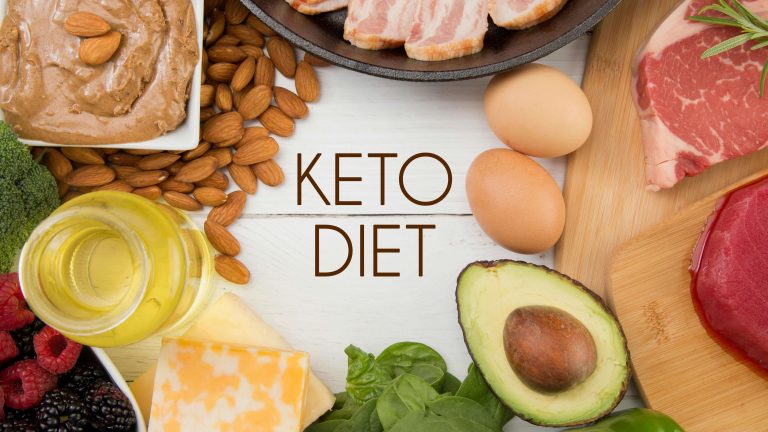
Keto may be the best weight-loss diet for women over 50. It’s a very low-carbohydrate, high-fat, moderate-protein diet plan that promotes ketosis, a metabolic state in which you burn fat instead of carbohydrates for energy.
There are many potential benefits of the keto and ketosis diets for weight loss:
- Reduced appetite, fewer cravings, and increased feelings of fullness
- Lower insulin levels, making it easier to lose fat
- Maintenance of muscle mass during weight loss
While the keto diet can be challenging, it’s one of the most effective diets for weight loss. It makes cutting calories easier by keeping you full with fats and proteins.
Best for Digestive Health: Whole30
Whole30 is a stricter version of Paleo designed to be followed for only 30 days. For many, it’s a good way to try an elimination diet to help assess food intolerances.
For 30 days, you must eat only whole, natural foods and avoid all grains, gluten, alcohol, added sugars, processed ingredients, dairy, beans, soy, and even healthy versions of processed foods (like Paleo pancakes or fries).
The program is challenging, but it can help you identify foods that cause digestive or autoimmune symptoms. There isn’t much research on Whole30, but many people who complete it report significant improvements in their health.
Best for Heart Health: Mediterranean Diet
The Mediterranean diet is based on the traditional foods eaten in Mediterranean countries (like Greece, France, Spain, and Italy), where the incidence of heart disease was much lower than in the rest of the world in the 50s, 60s, and 70s. This was a time when in-depth scientific research on heart disease was conducted, and the Mediterranean diet has been a good choice for heart health ever since.
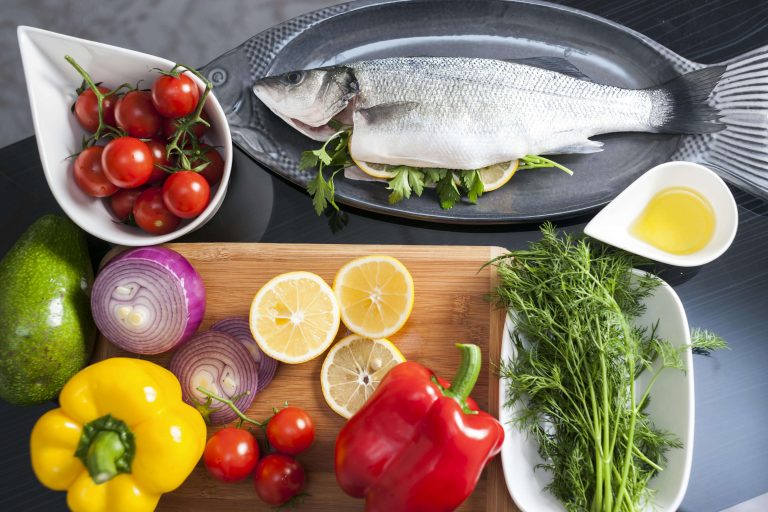
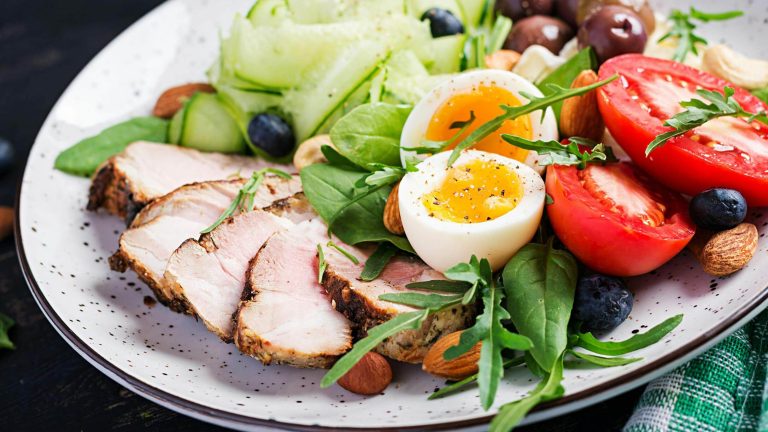
The diet emphasizes lean protein, fish and shellfish, a variety of fruits and vegetables, healthy whole grains (like rice, quinoa, and oats), legumes, nuts and seeds, and olive oil as the preferred fat.
The Mediterranean diet also offers more flexibility in the amount and type of carbohydrates in the diet, which can be helpful if you’re very active or if you find that restricting carbohydrates makes you eat poorly.
Best for Blood Sugar Control: Low-Carbohydrate
Finally, a low-carbohydrate diet may be ideal for controlling blood sugar levels. A low-carbohydrate diet restricts carbohydrate intake but not to the extent of Keto. A low-carbohydrate diet may include up to 130 grams of carbohydrates per day, or less than 26% of carbohydrate calories.
While it won’t put you into ketosis, eating a low-carbohydrate diet can help regulate blood sugar levels. You may also see some weight-loss benefits from it.
If the other diets on this list seem too extreme or restrictive for you now, then a low-carbohydrate diet may be a good option.
5 Tips for Choosing the Right Diet for You
So, how do you choose the right diet for you? Here are five questions to ask yourself:
What are my health goals? Your goals can help you choose the best diet. If you want to lose weight, consider Keto. If you’re having some digestive issues and want to see if diet is a factor, then joining Whole30 may be worth it for you. Does this diet allow me to eat my favorite foods? The diet you choose should give you some room to eat your favorite foods, or at least healthier versions of them. For example, if hummus is a food you absolutely love, then the Paleo diet (which excludes beans) may not be the best fit, but the Mediterranean diet would be perfect for you. Is this diet compatible with my lifestyle? Some diet patterns naturally require you to spend more time in the kitchen because there aren’t many ready-made convenience foods or dining-out options. These include Paleo and Whole30. If you’re not sure you have the time to focus on more cooking, a low-carbohydrate, Mediterranean, or Keto diet may work better for you. Does this fit my budget? Similarly, Paleo and Whole30 may be more expensive than other diets. If your budget is tight, sticking to one of the other diet choices may be more suitable for you right now. Can I stick to this diet for a long time? This is the most important question. Can you imagine eating this way for a long time in the future? If not, it may not be the right diet for you.