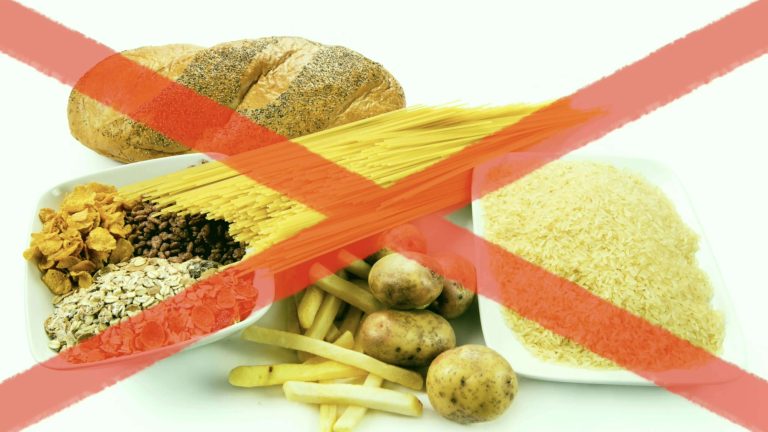
Is Keto Healthy Long Term?
If you’re following the Keto diet for weight loss or maintenance, you’ve probably thought about the future. Can you stick with Keto indefinitely?
It’s a valid question. The goal is to find a lasting eating pattern that keeps you healthy and strong for years to come.
Today, we’ll address questions about long-term Keto eating—covering cholesterol, gut health, nutrient deficiencies, weight rebound, and more. First, let’s briefly review Keto basics.
The Keto Diet and Its Benefits
On a Keto diet, you primarily consume fat and protein while minimizing carbohydrates. This macro management promotes ketosis, a fat-burning state.
Ketosis offers many potential benefits, including weight loss. It’s important to clarify that eating fat isn’t a magical weight loss strategy. However, people on Keto often eat less because ketosis suppresses hunger hormones, leading to weight loss.
Beyond weight loss, ketosis can also help stabilize energy levels, improve mental acuity, reduce blood sugar and insulin levels, lower inflammation, and enhance endurance.
But are these benefits sustainable over the long term? Can you maintain Keto indefinitely?
Is Keto Healthy in the Long Term?
There are no decade-long studies on people following Keto. Such research would be costly, and no one has funded it yet.
However, our ancestors were no strangers to ketosis. Carbohydrates were often scarce in Paleolithic times, suggesting ketosis is a natural, evolutionary state. This doesn’t prove it’s sustainable, but it’s reassuring.
We can also look to the Inuit, who thrived for centuries on very low-carb diets of seal and whale meat. They were essentially following a Keto diet before it became popular.
But let’s focus on what matters most—your personal experience.
Are you losing fat? How’s your energy, mood, sleep, and exercise performance? Are your bloodwork results good?

If your current health metrics are improving, your long-term health is likely to follow. They’re directly correlated.
Long-Term Keto FAQ
Let’s address common questions about long-term Keto.
Should you stay on Keto for weight maintenance after reaching your target weight?
It could be beneficial. Keto helps with both weight loss and maintenance.
Research shows low-carb dieters burn more calories and have lower hunger hormones than high-carb dieters in weight-maintenance phases.
This doesn’t mean stopping Keto guarantees weight regain, but a low-carb approach might make it easier to keep the weight off.
Is Keto beneficial for managing long-term health conditions?
It depends on the condition. For example, studies suggest Keto helps people with type 2 diabetes manage blood sugar and lose weight.
Keto is also a well-established therapy for epilepsy.
Keto may also assist with:
- Alzheimer’s disease and dementia
- Certain cancers
- Chronic inflammatory conditions like IBD and rheumatoid arthritis
Consult a medical professional for personalized advice.
Are nutrient deficiencies a concern?
They can be. For instance, insufficient protein intake can hinder muscle mass maintenance. We recommend a high-protein Keto diet (30% or more of calories from protein).
A “dirty Keto” diet lacking vegetables can lead to micronutrient deficiencies. Including spinach, kale, broccoli, and other low-carb veggies can help.
Will all that fat affect my heart health?
In obese and diabetic populations, Keto generally improves heart health. However, a subset of lean individuals may experience LDL cholesterol spikes after carb restriction. Higher LDL typically indicates greater heart disease risk.
Research is ongoing to clarify if elevated LDL always translates to higher mortality risk. Some studies suggest triglyceride levels and HDL cholesterol may be better predictors of cardiac risk than LDL. LDL increases during fat loss often normalize once a lower weight is achieved.

If your cholesterol rises on Keto, consider switching to monounsaturated fats like olive oil, avocados, and nuts.
Should I be worried about kidney or liver health?
Regular monitoring is wise, but there’s no special cause for concern on Keto. Consider:
- Keto may improve liver health markers in non-alcoholic fatty liver disease.
- Research suggests Keto can reverse diabetic kidney disease.
- Keto might help lower high blood sugar and blood pressure, both risk factors for chronic kidney disease.
Is lack of fiber a concern for gut health?
Potentially. Keto restricts many high-fiber foods like yams, apples, and carrots, which are rich in soluble fiber that supports gut bacteria.
However, you can get most of your fiber needs from low-carb vegetables. Also, some people benefit from limiting fiber intake, especially soluble fiber, to reset their digestive system.
Who should consider temporary Keto?
You might want to try Keto temporarily if:
- You feel low energy, tired, or irritable
- You miss certain foods and get emotional when exposed to them
- You notice your cholesterol rising
- You’re pregnant or nursing
- You need to gain weight or build muscle
- Your “Keto for Life” t-shirt is fading
You don’t have to follow Keto forever. Other options exist.
What eating patterns might work if Keto doesn’t?
If Keto isn’t working for you, consider these approaches:
- Paleo diet
- Mediterranean diet (or Mediterranean Keto)
- Moderate-carb diet
- Whole30
- Intuitive eating
The fundamentals of healthy eating are simple: whole foods, no overeating, and avoiding processed foods, especially refined sugar.
How To Make Your Keto Diet Sustainable
For long-term Keto success, address both physical and mental aspects. Some find Keto natural, but if you’re struggling, simple fixes might help.
- Increase electrolyte intake to combat headaches and cramps.
- Ensure adequate protein consumption for weight loss.
- Include non-starchy vegetables to meet fiber needs and prevent deficiencies.
Don’t overlook emotional and social support. Rely on friends, family, or the Carb Manager community if needed.
Keep experimenting until you find a sustainable diet. We’re here to help!