How Many Carbs Can You Have on Keto?
One of the core principles of the ketogenic diet is to keep carbohydrate intake extremely low—under 50 grams per day. This restriction helps your body switch from using glucose from carbs as its primary energy source to using fat instead. Fat is an energy-dense molecule, and some of this energy is converted into ketones, which most of your body’s cells can use for energy in place of glucose. When your body starts using fat and ketones as its main energy sources, you’ve entered a state called nutritional ketosis.
But that doesn’t mean you have to—or even should—cut out all carbs entirely. Keto isn’t meant to be a zero-carb diet.
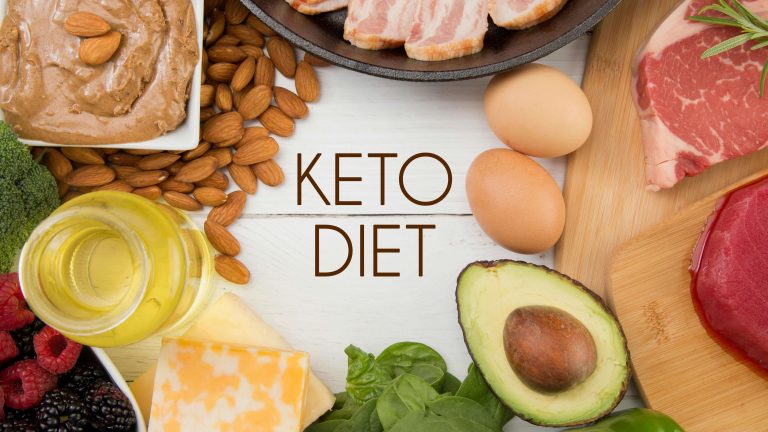
In this Keto Beginners Series, we’ll talk about which carbohydrate foods fit best into a low-carb, high-fat ketogenic diet.
How Many Carbs Can You Have on Keto?
Everyone’s carb tolerance on keto is a bit different. Some people can eat more carbs and still stay in ketosis, while others need to be stricter.
Most ketogenic diet guidelines suggest keeping your net carbohydrate intake between 15 and 30 grams per day, or 5-10% of total calories.
Net Carbs = Total Carbohydrates – Fiber – Sugar Alcohols
Generally, if you’re very active and exercise 4 to 5 times a week, you’re more likely to be able to handle more carbs while staying in ketosis.
However, if you live a sedentary lifestyle and are overweight, we recommend keeping carb intake on the lower end to ensure you achieve ketosis.
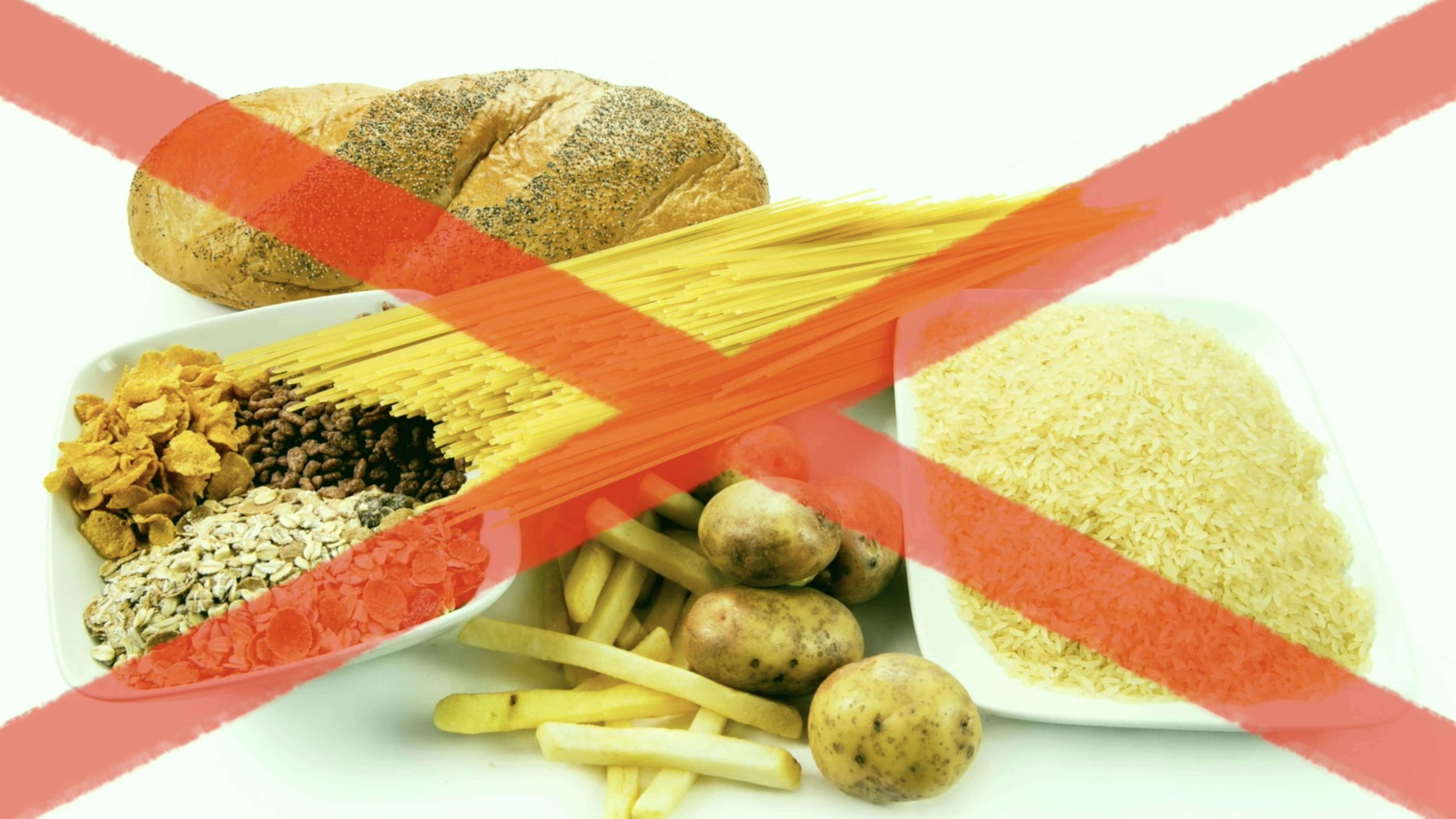
Carbohydrates to Avoid on the Ketogenic Diet
Certain foods are extremely high in carbs and need to be avoided to achieve and maintain ketosis. During your keto journey, steer clear of high-carb foods like most fruits, pasta, potatoes, candy bars, pastries, donuts, candy, soda, juice, rice, and bread.
List of Carbs You Can Consume on Keto
Now that you know which foods to avoid entirely, let’s talk about the best keto-friendly carb sources you can still enjoy.
Some of these foods still contain carbs, so it’s important to read labels and track your intake carefully, especially if you’re new to keto.
#1. Cocoa Powder and Dark Chocolate
Cocoa powder and dark chocolate are great alternatives to sugary chocolate bars. They’re rich in antioxidants and considered a “superfood” because they contain essential nutrients that help keep you healthy. Dark chocolate also has flavanols, which have been linked to reducing the risk of heart disease by lowering blood pressure.
It’s important to only consume dark chocolate with 85% or more cocoa content. Anything less usually contains higher-carb ingredients that could interrupt ketosis.
Tip: A delicious low-carb snack you can make with cocoa powder or dark chocolate is Keto Coconut-Choc Fat Bombs. Simply mix cocoa powder with almond butter and coconut oil in a bowl, microwave or heat on the stovetop until it becomes a smooth liquid, then freeze for half an hour. You’ll have a tasty, sweet low-carb treat! Add a little stevia if you need more sweetness. Read more keto snack ideas here.
#2. Low-Carb Vegetables
Vegetables store sugar as starch. Non-starchy vegetables store less sugar, making them low in starch and carbs. They’re also low in calories, high in fiber, and nutrient-dense, making them the perfect keto-friendly carb source.
Many non-starchy veggies are high in fiber, which is a carb but doesn’t break down into glucose in your digestive system like other carbs do. So, fiber doesn’t count toward your carb limits! This is important when reading labels, as fiber is included in total carbs. Remember, subtract fiber from total carbs to determine the carb count that matters.
You can enjoy large amounts of these low-carb veggies on keto:
- Kale
- Spinach
- Broccoli
- Cauliflower
- Zucchini
- Brussels sprouts
Veggies that grow above ground are generally non-starchy and low in carbs (though there are exceptions—always check nutritional info in the Carb Manager app).
#3. Avocados
Avocados should be a staple in everyone’s ketogenic diet. They’re rich in essential vitamins and minerals like potassium and magnesium, and are a great source of monounsaturated fat. Avocados make the keto adaptation phase easier by replenishing the essential minerals your body loses during the initial fat-adaptation stage.
One avocado contains only about 2-3 grams of net carbs per serving, making it the perfect keto-approved fruit!
#4. Berries
Most fruits are too high in carbs and should be avoided, but berries are the exception. They’re low in carbs and high in fiber, packed with antioxidants that provide anti-inflammatory effects and protect against disease. Remember to keep your berry consumption in moderation, as they still contain some carbs.
#5. Shirataki Noodles
Shirataki noodles are a great option for keto dieters missing pasta. These noodles contain less than 1 gram of carbs because they’re mostly water and fiber. You can find them at your local health food store, often in fettuccine, linguine, or rice shapes. Substitute them for regular pasta to enjoy a delicious low-carb meal!
#6. Olives
Research shows that polyphenols from olives can reduce inflammation, protect cells from damage, lower blood pressure, and have anticancer potential. Half of the carbs in olives are fiber, making them a great carb source on keto. A 14-gram serving of olives contains only 1 gram of total carbs, meaning about seven olives have just 1 gram of carbs!
#7. Cauliflower
Looking for a keto-friendly substitute for starchy foods like rice and potatoes? Cauliflower is your go-to. It contains only 2 grams of net carbs per cup, so you can eat plenty without worrying about carb intake.
Pulse raw cauliflower in a food processor until it reaches a rice-like consistency, then microwave or pan-fry the bits in coconut oil for a delicious cauliflower rice. Or boil and mash cauliflower with cream and butter for a tasty mashed potato substitute.
A Little Preparation Will Keep You Low-Carb on Keto
While carb cravings can feel intense when you first start keto, remember that this is temporary as your body adapts to becoming an efficient fat-burner. By replacing high-carb foods with the low-carb options listed above, you’ll provide your body with the fuel and essential nutrients it needs to thrive. These low-carb foods will also help you stay full and reduce cravings significantly if you’re smart about it!
Note: The content in this article is for informational and educational purposes only and is not medical advice. Always talk to your doctor before changing your diet.