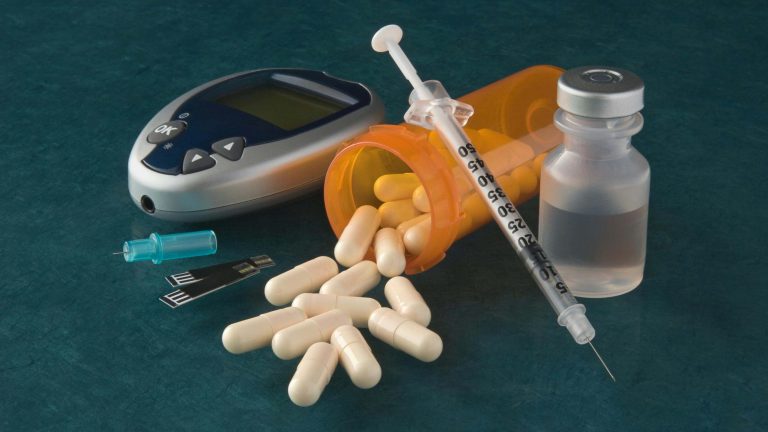
Best Carb Blocker Reviews: Top Choices for Weight Loss and Blood Sugar Control in 2025
Carbohydrates are everywhere. From rice to bread, from East to West, it’s hard to find dishes and diets where most of the calories don’t come from carbohydrates.
What if we could find a way to prevent our bodies from absorbing these pesky calories? Then we could indulge in our favorite carbohydrate-rich dishes without gaining those extra pounds.
Sounds like a hedonistic fantasy, right? Interestingly, research suggests that blocking carbohydrate absorption is possible.
Let me introduce you to carbohydrate blockers. A natural supplement that could be your lifeline if you’re struggling to cut back on carbs.
What exactly are carbohydrate blockers (and starch blockers)?
To avoid confusion when researching these supplements, carbohydrate blockers and starch blockers refer to the same thing. In this article, we’ll refer to them as carbohydrate blockers.
In simple terms, carbohydrate blockers help “block” the breakdown of starch, making it harder to digest and turning molecules that would normally provide 4 calories per gram into inert substances that pass through our digestive tract without spiking blood sugar.
Carbohydrate blockers achieve this remarkable feat by inhibiting specific enzymes that break down long carbohydrate chains into digestible simple sugars.
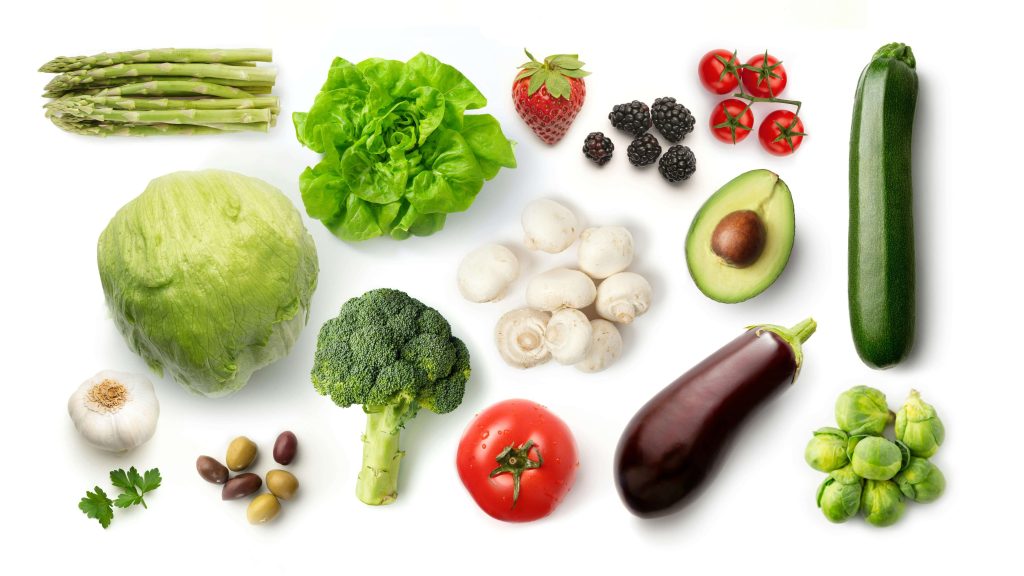
The two main types of carbohydrate blockers
The two primary carbohydrate blockers available today are white bean extract (also known as Phaseolus vulgaris extract) and alpha-glucosidase inhibitors (AGIs). Both work by inhibiting different enzymes crucial for carbohydrate digestion.
White bean extract works by inhibiting an enzyme called amylase, which is present in saliva and released by the pancreas into the small intestine. Amylase breaks specific bonds in starch (long chains of glucose molecules). This is the most popular and well-researched carbohydrate blocker, and you can easily find and purchase it online or in supplement stores.
On the other hand, alpha-glucosidase inhibitors (AGIs) are prescription drugs used to treat high blood sugar in type 2 diabetes patients. These carbohydrate blockers work by blocking the action of an enzyme called alpha-glucosidase, which helps break sugar chains into smaller fragments in the small intestine.
While you can’t buy this type of carbohydrate blocker as a supplement, you can experience similar effects through natural supplements containing extracts from the Salacia plant. The Salacia plant provides a natural source of alpha-glucosidase inhibitors. In fact, several studies on these plants have shown promising results in controlling blood sugar and reducing appetite.
In short, both of these supplements effectively prevent carbohydrate digestion by inhibiting different carbohydrate-specific enzymes. This means some carbohydrates pass through the digestive tract like fiber, aiding in better blood sugar control and promoting weight loss—especially for those whose diets are rich in starchy foods and other complex carbohydrates (not processed foods high in simple sugars).
Important note: Carbohydrate blockers do not prevent the absorption of simple sugars, such as table sugar, fruit juice, sugary drinks, and corn syrup.
Before diving into the research behind carbohydrate blockers, let’s explore why reducing carbohydrate absorption might be beneficial for health.
Why bother with carbohydrate blockers?
To understand the potential impact of carbohydrate blockers, we need to start with the basics of carbohydrate digestion. The starch and sugar chains we get from complex carbohydrate sources (like fruits, vegetables, nuts, legumes, and whole grains) require a complex digestive process before they can be absorbed by the body.

For example, when we eat starch, our bodies need to go through multiple mechanisms to digest it before it can enter the bloodstream. These mechanisms include chewing, exposure to stomach acid, and interaction with specific enzymes. After this process, most of the starch is converted into simple sugars and absorbed into the bloodstream through the small intestine.
The increased availability of sugar promotes sugar burning, reducing fat burning and ketone production. If the body absorbs more carbohydrates than it needs at the time, it stores the excess as glycogen (the stored form of sugar) and fat.
In summary, this process is normal and healthy, allowing us to use quick fuel sources (sugar) while preserving our long-term energy stores (fat). Once we burn through the sugar, we start burning more fat and ketones as fuel. This cycle repeats itself over and over, helping us maintain a healthy weight.
However, as our food environment transforms into a hedonistic paradise, our food consumption increases, overwhelming our bodies.
To cope with this energy overload, our bodies begin to store more and more fat, and blood sugar levels rise to harmful levels. In fact, Western societies are battling an abundance of food to the point where type 2 diabetes and obesity are becoming the new normal.
Carbohydrate blockers could be the way out of this epidemic
While carbohydrates aren’t the sole culprit behind our current metabolic chaos, they’re definitely one of the major contributors for most people. After all, most diets derive the majority of their calories from carbohydrates.
If you could block the absorption of this macronutrient, you could (theoretically) enjoy as many starchy foods as you want without gaining a pound. Thus, carbohydrate blockers might be exactly what we need.
This is a reasonable assumption, but what does the research say about the effectiveness of carbohydrate blockers?
How do carbohydrate blockers work, and how effective are they?
Now that we understand why someone might use a carbohydrate blocker, let’s look at the science to see how effective they are. Unfortunately, studies show that they don’t block every carbohydrate you eat.
At best, carbohydrate blockers seem to block 50-65% of carbohydrate-digesting enzymes. However, inhibiting these enzymes doesn’t necessarily mean the same percentage of carbohydrates will be blocked.
A study examining a potent amylase inhibitor found that it only prevented the absorption of 7% of carbohydrates (even though it could inhibit 97% of amylase).
This might be because carbohydrate blockers don’t directly prevent carbohydrate absorption. They may simply increase the time it takes for enzymes to digest them.
Other reasons for the lack of effectiveness could be that the process of inhibitors binding to amylase is highly influenced by pH, temperature, and co-ingestion with specific ions (such as nitrates, chlorides, bromides, iodides, thiocyanates, and calcium ions).
It’s also worth noting that the pancreas can increase amylase secretion. This is especially likely when carbohydrate blockers are consumed, as they tend to slow down the digestive process.
That said, several high-quality studies show that carbohydrate blockers can still help with weight loss and overall health improvement.
Carbohydrate blockers and weight loss: A review of the research
Most studies on carbohydrate blockers and weight loss have used white bean extract. Several studies indicate that this carbohydrate blocker leads to moderate weight loss.

A meta-analysis found that groups taking white bean extract lost an average of about 1.77 kilograms (3.89 pounds) more than the control group. Further meta-analyses showed a statistically significant reduction of 1.86 kilograms (4.09 pounds) in body fat compared to the control group.
Interestingly, many studies show that people who eat the most carbohydrates seem to lose the most weight when using these supplements. This makes sense because the higher the proportion of complex carbohydrates in your diet, the greater the difference carbohydrate blockers can make.
Unfortunately, most studies on white bean extract are small, poorly designed, and primarily funded by supplement companies, so the results may not be very reliable. More independent, high-quality research is needed.
Data on Salacia-based supplements (the other type of carbohydrate blocker mentioned earlier) are less promising but still worth noting. There are no clinical trials directly measuring weight loss, but Salacia-based supplements seem to reduce carbohydrate absorption and have an appetite-suppressing effect in women. Both factors could contribute to weight loss (especially in women), but there’s no high-quality data to support this assumption.
In summary, carbohydrate blockers do help with weight loss, but the amount is small, especially for those on starch-rich diets. In the long run, to achieve sustainable weight loss, it’s better to forgo carbohydrate blockers and invest time and money in a diet that helps maintain a calorie deficit.
One of the most effective diets for this is a low-carbohydrate diet, such as the ketogenic diet. It can help you reduce calories without realizing it and result in more weight loss than the modest ~1.85 kilograms (~4 pounds).
Can carbohydrate blockers help control blood sugar and diabetes?
Since the primary mechanism of carbohydrate blockers is to inhibit the digestion of complex carbohydrates, they also have the function of improving blood sugar levels.
A study found that white bean extract helps lower the glycemic index of white bread. As a result, despite eating high-glycemic-index foods, white bean extract seems to help normalize blood sugar levels.
The same is true for high-carbohydrate meals. In a review of the literature, researchers concluded that white bean extract “slows carbohydrate absorption, thereby lowering the GI [glycemic index] of foods.” This means that individuals with type 2 diabetes could potentially use this supplement to control their blood sugar levels after indulging in carbohydrate-rich meals.
The effects of Salacia-based supplements on blood sugar and other important biomarkers have also been studied, with similar results. For example, one study found that participants had lower blood sugar levels and insulin responses compared to the control group.
Long-term trials indicate that these changes translate to an overall decrease in pre-meal blood sugar and HbA1C levels (key indicators of blood sugar control) in individuals with type 2 diabetes.

However, these carbohydrate blockers are extremely unlikely to fully prevent or reverse type 2 diabetes. The only way to effectively do this (as far as we know) is to follow an appropriate diet and treatment plan that helps you lose weight and control your blood sugar.
One diet that has been proven to help in this regard is a low-carbohydrate, high-fat ketogenic diet. Adopting a ketogenic lifestyle can normalize blood sugar levels more effectively than carbohydrate blockers.
Carbohydrate blockers may also help regulate hormones
In addition to reducing carbohydrate absorption, carbohydrate blockers may also affect hormones related to hunger and satiety. They have also been found to slow gastric emptying after meals, which further contributes to increased satiety and improved blood sugar control.
One of the reasons for this effect may be that white bean extract contains phytohemagglutinin. This compound can increase the levels of many satiety hormones.
A study on rats found that phytohemagglutinin in carbohydrate blockers led to a significant reduction in food intake. Rats given the compound ate 25-90% less. However, this effect only lasted for a few days.
A week into the experiment, the effects began to fade, and the rats started eating as much as before. It’s also worth noting that once the rats stopped taking the carbohydrate blocker, they consumed 50% more calories. However, the effects of carbohydrate blockers on human appetite have not been sufficiently studied, so it’s unclear whether the results from animals apply to humans.
The only human evidence we have comes from recent studies. One study found that concentrated standardized bean extract did reduce feelings of hunger, possibly by suppressing levels of the hunger hormone ghrelin.
The effects of Salacia-based supplements on human appetite have also been studied. A double-blind randomized controlled trial found that Salacia supplements could reduce hunger in women, while other studies suggest that higher doses may effectively increase satiety in men.
The overall appetite-suppressing effects of carbohydrate blockers are still unclear. So far, what we know is that Salacia supplements can slow gastric emptying and regulate the secretion of some appetite and gut hormones.
It’s hard to say whether any of the carbohydrate blocker supplements currently on the market can achieve this effect or whether it truly contributes to weight loss in humans.
For those looking to avoid hunger, you can use more effective strategies, including:
- Eating more protein and fiber with meals
- Avoiding strict calorie restrictions
- Limiting heavily processed foods
Carbohydrate blockers are also a prebiotic
Carbohydrate blockers have another unexpected benefit—they increase the amount of resistant starch in the colon. This is because they reduce overall carbohydrate absorption, allowing more starch to pass through the digestive tract.
Resistant starch is commonly found in starchy foods such as raw potatoes, unripe bananas, beans, and some whole grains. It’s called resistant starch because it “resists” being broken down by enzymes in the small intestine and passes into the colon, where it’s fermented by gut bacteria.
Numerous studies have found correlations between resistant starch and reduced body fat, healthier gut bacteria, and improved blood sugar control and insulin sensitivity. Additionally, resistant starch may help increase the amount of fat the body burns after a meal.
When carbohydrate blockers prevent complex carbohydrates from being digested in the small intestine, these carbohydrates function like resistant starch. Thus, you can not only lose weight with carbohydrate blockers but also improve gut health.
However, initially, your gut may struggle to handle so much resistant starch, which can lead to some unpleasant side effects.
Carbohydrate blocker side effects: Are they safe?
While carbohydrate blockers are considered very safe, this doesn’t mean they come without drawbacks. By altering carbohydrate digestion and allowing more starch to pass into the colon, many people experience side effects such as lowered blood sugar, diarrhea, bloating, stomach cramps, and gas.
However, the most common side effects occur in the gastrointestinal system. This is due to increased fermentation in the colon caused by the extra starch passing through the gut.
The side effects of carbohydrate blockers can vary depending on how often and how much you use them. Gastrointestinal side effects may subside and eventually disappear altogether as your body gets used to using carbohydrate blockers.
Recommended doses of the best carbohydrate blockers on the market
If you decide to take carbohydrate blockers, make sure to stick to doses that have been proven safe and effective.
For Phase 2 white bean extract (the most researched carbohydrate blocker), the typical dose is 1 to 2 capsules, each containing 500 mg, taken before each meal. This equates to a total daily intake of 1,500 to 3,000 mg, which is both safe and effective.
The only time white bean extract may not be safe is if you consume more than 10,000 mg per day.
One of the most researched alpha-glucosidase inhibitors, Salacia extract, has been found to effectively improve blood sugar control at doses of 200 to 500 mg with carbohydrate-containing foods. Studies on other commonly researched Salacia plant extracts (such as reticulata and oblonga) suggest that taking 240 to 1,000 mg orally with carbohydrate-containing foods is best. The safety of higher doses has not been studied.
Who should avoid carbohydrate blockers?
As with any supplement that affects bodily functions, it’s important to consult a doctor before trying them.
This is especially crucial if you’re on insulin or other forms of diabetes medication. Combining carbohydrate blockers with diabetes drugs can lower blood sugar to dangerously low levels.
Putting it all together — Everything you need to know about carbohydrate blockers
While carbohydrate blockers can help you lose a few extra pounds, they’re not the magical weight loss supplement we’ve been hoping for.
Although several studies show that carbohydrate blockers can aid in weight loss, they’re not a supplement that delivers consistent results.

Carbohydrate blockers can help improve gut health, reduce appetite, and maintain healthy blood sugar levels, but the evidence isn’t as compelling as the data from high-quality dietary interventions.
The gold standard for weight loss is, and always will be, a diet that keeps you in a calorie deficit. This has been proven in numerous high-quality studies.
Ideally, your weight loss diet should:
- Provide lasting results
- Keep you in a calorie deficit without struggling with hunger and cravings
- Help you maintain healthy biomarkers such as optimal blood sugar, cholesterol, and triglyceride levels
- Improve your gut health, mental health, and overall well-being
One diet that has been proven time and time again to do all of this for many people is a low-carbohydrate, high-fat ketogenic diet. It’s much safer and more reliable than taking carbohydrate blockers and/or following many other popular diet trends.
If you’d like to try this way of eating, check out our comprehensive keto guide. It will give you all the information you need to start your keto journey.
P.S. Check out the Keto Academy, our foolproof 30-day keto diet planner. It has all the tools, information, and recipes you need to succeed.
- The food will always fit your macros and cooking preferences!
Sources:
- Dietary Intake of Adults Aged 20 and Over — National Center for Health Statistics
- Top 10 Sources of Calories in the American Diet — Harvard Medical School
- Blocking Carbohydrate Absorption and Weight Loss: A Clinical Trial Using a Proprietary Fractionated White Bean Extract — NCBI
- A Proprietary Alpha-Amylase Inhibitor from White Bean (Phaseolus vulgaris): A Review of Clinical Studies on Weight Loss and Glycemic Control — NCBI
- Impairment of Starch Digestion by a Potent Amylase Inhibitor — NCBI
- Production of Anti-Diabetic Peptides by Enzymatic Hydrolysis of Black Bean (Phaseolus vulgaris L.) Proteins: Characterization and Biological Potential — NCBI
- Role of Resistant Starch in Improving Gut Health, Obesity, and Insulin Resistance — NCBI
- Blood Sugar, Diabetes, and Your Body — WebMD
- Using White Bean Extract to Calculate the Glycemic Index of White Bread — NCBI
- A Dietary Supplement Containing Standardized Phaseolus vulgaris Extract Affects Body Composition in Overweight Men and Women — NCBI
- White Bean Extract — Checking Simple Carbs vs. Complex Carbs — Healthline
- Determination of Alpha-Amylase Inhibitory Activity in White Kidney Bean (Phaseolus vulgaris) Dietary Supplements by HPAEC-PAD — Science Direct
- Potential Efficacy of Phaseolus vulgaris-Derived Preparations in Controlling Appetite, Energy Intake, and Carbohydrate Metabolism — NCBI
- SALACIA — WebMD
- Appetite and Gut Hormone Responses to Presumed Alpha-Glucosidase Inhibitor Salacia chinensis in Overweight/Obese Adults: A Double-Blind Randomized Controlled Trial — NCBI
- Salacia — A New Multi-Targeted Approach for Diabetes Patients — NCBI
- Salacia Extract Improves Postprandial Glucose and Insulin Responses: A Randomized, Double-Blind, Placebo-Controlled, Crossover Study in Healthy Volunteers — NCBI
- Efficacy of Phaseolus vulgaris Extract as a Weight Loss Supplement: A Systematic Review and Meta-Analysis of Randomized Clinical Trials — NCBI
- Phaseolus vulgaris Extract Affects Glycemic Control and Appetite Regulation in Healthy Human Subjects — NCBI
- Impact of Dietary Resistant Starch on Prevention and Treatment of Obesity-Related Diseases and Potential Mechanisms — NCBI
- Persistence of Starch Consumption Promotes Lipid Oxidation — NCBI
- Role of Resistant Starch in Improving Gut Health, Obesity, and Insulin Resistance — NCBI
- Salacia reticulata — Checking