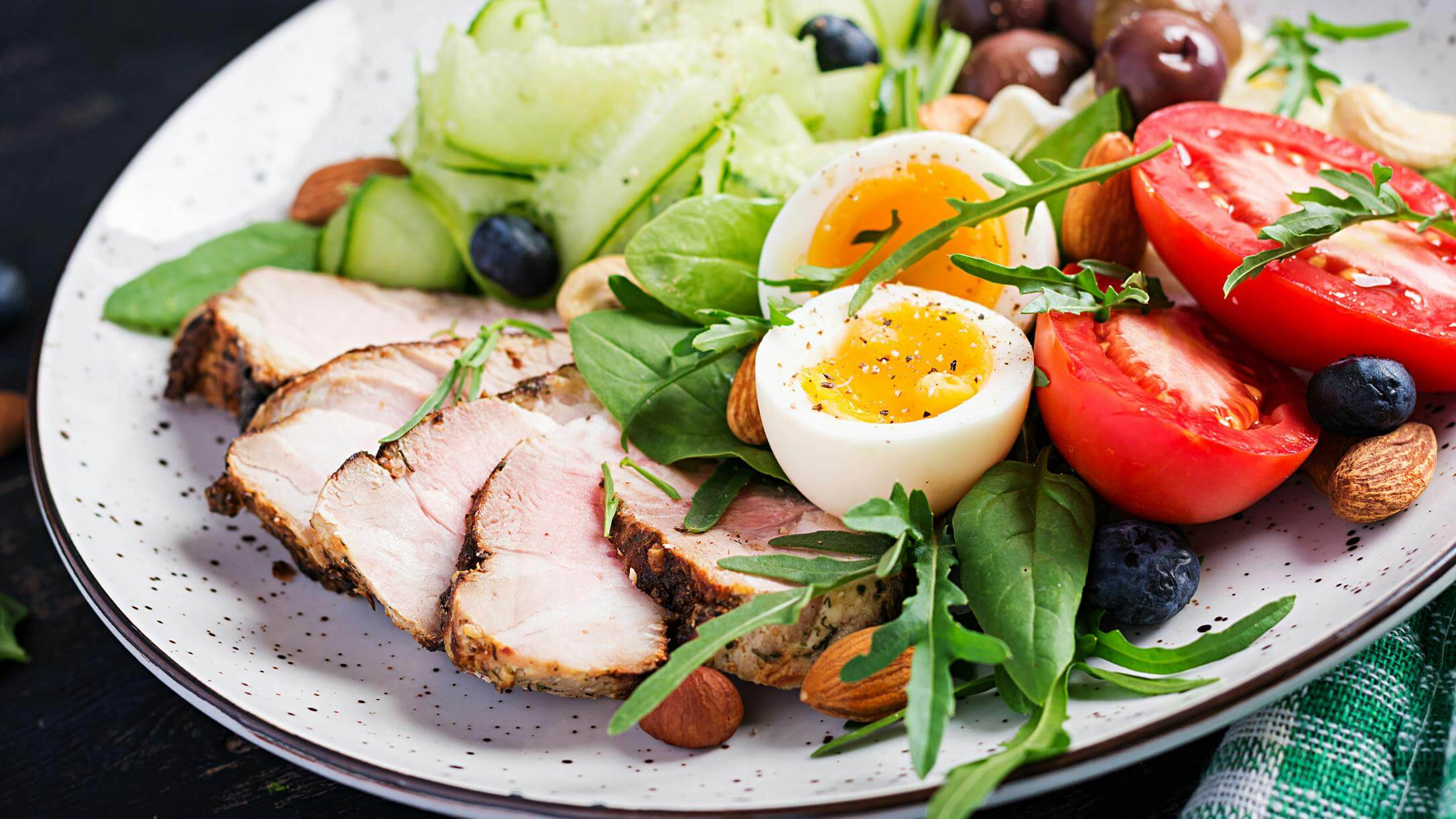
Is Keto Safe During Pregnancy and Breastfeeding?
If you’re pregnant, nursing, or planning to conceive, you might be curious about whether the Keto diet is healthy during these crucial periods. While Keto has worked for many moms, it’s important to be aware of the potential risks and to consult with your healthcare provider to determine if a low-carb diet is suitable for your specific needs.
What Is Keto?
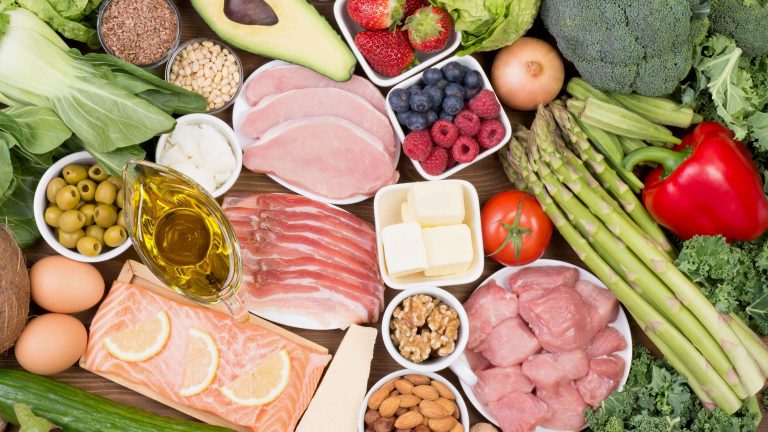
The Keto diet, short for the ketogenic diet, is a low-carb eating plan where you consume 55-70% of your calories from fat, 20-35% from protein, and less than 10% from carbohydrates. By drastically reducing carb intake, you trigger a fat-burning state known as ketosis. This process, driven by low blood sugar and insulin levels, prompts your body to break down stored fat and send it to your liver to be burned for energy and ketone production. Keto is well-known as a weight loss diet, where people not only tend to consume fewer calories but also burn more energy due to the reduction in hunger hormones like ghrelin and neuropeptide Y.
Proper Nutrition During Pregnancy and Nursing
During pregnancy and breastfeeding, women require increased amounts of calories, protein, and micronutrients. Here’s a closer look at each of these nutritional needs:
Calories
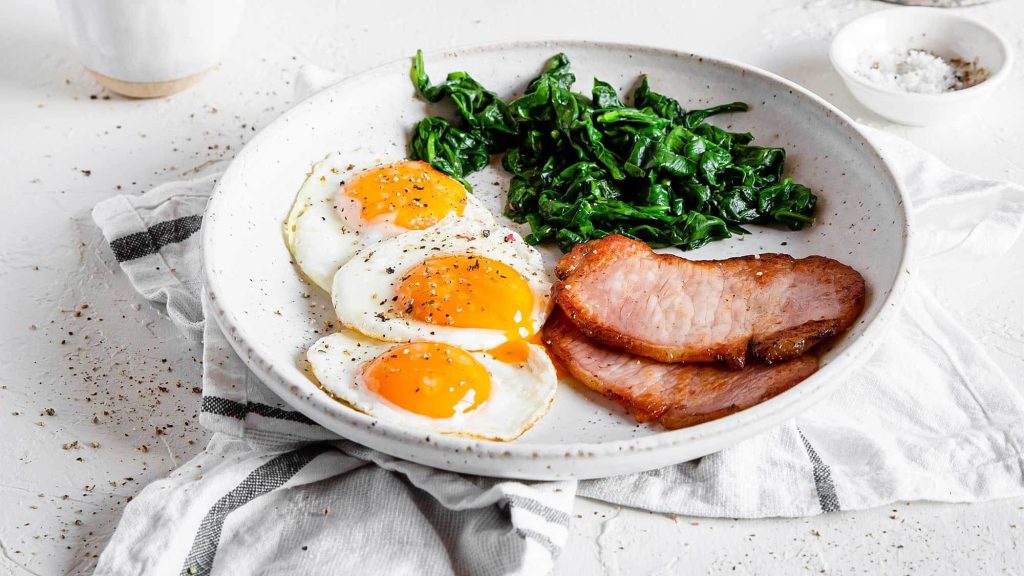
Pregnancy increases daily caloric needs by over 300 calories during the second trimester and by more than 400 calories in the third trimester. Breastfeeding requires an additional 500 calories per day. These are general guidelines, and individual caloric needs can vary based on factors like age, weight, activity levels, and genetics. The key is to focus on eating more nutrient-dense foods.
Protein
Protein requirements also increase during pregnancy and breastfeeding. Pregnant women need about 15 extra grams of protein per day, while nursing women need approximately 20 additional grams. High-protein foods such as meat, fish, eggs, and whey protein should be staples in your diet, regardless of whether you’re following a Keto diet.
Micronutrients
Pregnant women need more folate to help prevent neural tube defects in the fetus, which is why prenatal vitamins contain significant amounts of folic acid. Additionally, foods like green leafy vegetables are excellent dietary sources of folate. To meet the increased vitamin and mineral needs during pregnancy, organizations like UNICEF, the United Nations University, and the WHO have developed multiple-micronutrient (MMN) tablets containing essential vitamins and minerals. There’s also evidence that choline (found in eggs and liver) and omega-3 fatty acids (from fish and fish oil) support fetal brain development. Pregnant women should aim to consume adequate amounts of these nutrients.
Potential Benefits of Keto During Pregnancy
While there’s limited clinical research on Keto for pregnant or nursing women, some potential benefits have been observed:
Avoiding Refined Sugar
Minimizing added sugar intake, which is linked to various modern diseases including obesity, can be beneficial. A whole foods Keto diet naturally avoids added sugars, promoting better health for both mother and child.

Blood Sugar Control
Gestational diabetes affects approximately 1 in 6 pregnancies. By restricting carbs, Keto can help manage blood sugar spikes, similar to its effectiveness in treating type 2 diabetes. However, more research is needed to confirm its benefits for gestational diabetes.
Risks of Keto During Pregnancy and Nursing
Here are some potential concerns to consider when following a Keto diet during pregnancy or breastfeeding:
Calorie Restriction
Undereating can impede fetal growth and reduce the mother’s energy levels. Since Keto suppresses appetite, there’s an increased risk of unintentional calorie restriction. Pregnant and nursing women on Keto should consciously consume extra calories, especially protein-rich foods, and track their intake using apps like Carb Manager.
Lactation Ketoacidosis
In rare cases, Keto may trigger lactation ketoacidosis, a dangerous condition characterized by elevated ketones. While not common, it’s important to be aware of this risk.
Fertility Concerns
Some animal studies suggest that ketogenic diets might impair fertility and slow fetal growth, though these findings may not directly apply to humans. Human responses to ketogenic diets differ, and the diet has shown benefits for women with PCOS by improving their sex hormone profiles.
Tips for Keto During Pregnancy
If you’re considering Keto during pregnancy, keep these tips in mind:
- Don’t be strict: Allow some carbs in your diet, especially if you’re breastfeeding. Aim for the higher end of the 10% daily carb recommendation.
- Limit fasting: Avoid fasts longer than 12-13 hours to reduce the risk of calorie restriction.
- Get enough protein: Aim for around 100 grams of protein per day to support pregnancy and breastfeeding.
- Focus on nutrients: Take a prenatal multivitamin, supplement omega-3 fatty acids, and eat nutrient-dense foods.
Is Keto Safe for Pregnancy and Nursing?
The safety of Keto during pregnancy and breastfeeding is still under research. Proceed with caution, follow the above tips, and work with your doctor to monitor your situation. If needed, consider increasing your carb intake by 50-100 grams per day. Every pregnancy is different, so listen to your body and medical advice to ensure a healthy pregnancy.